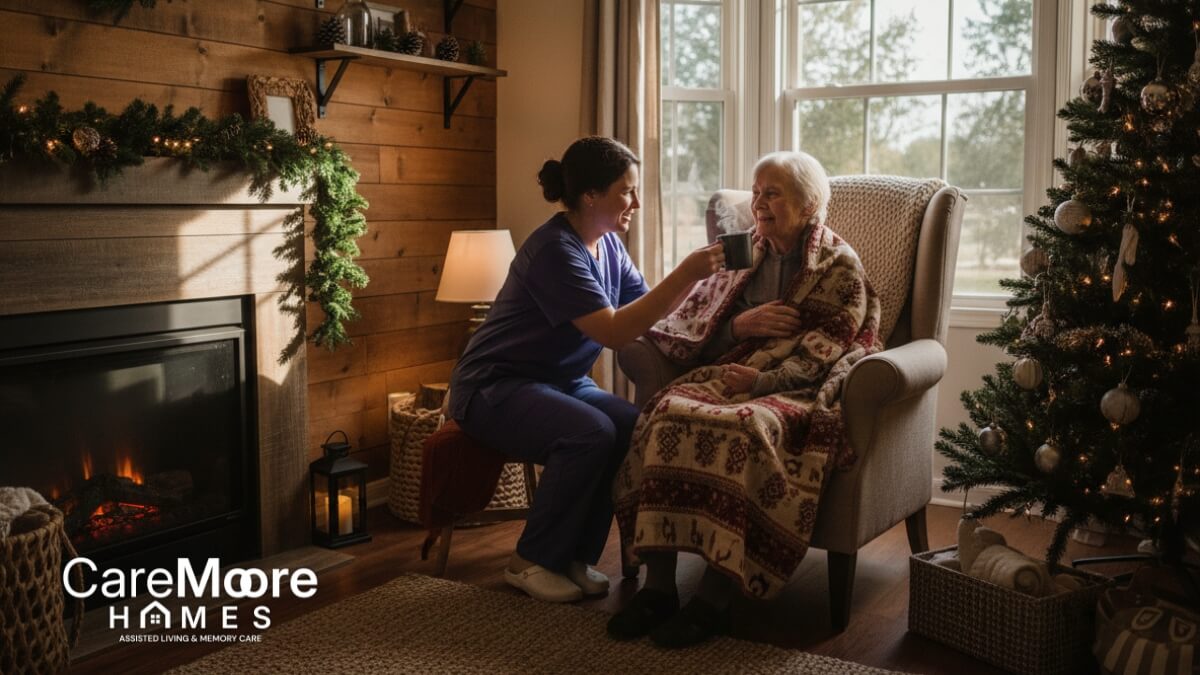
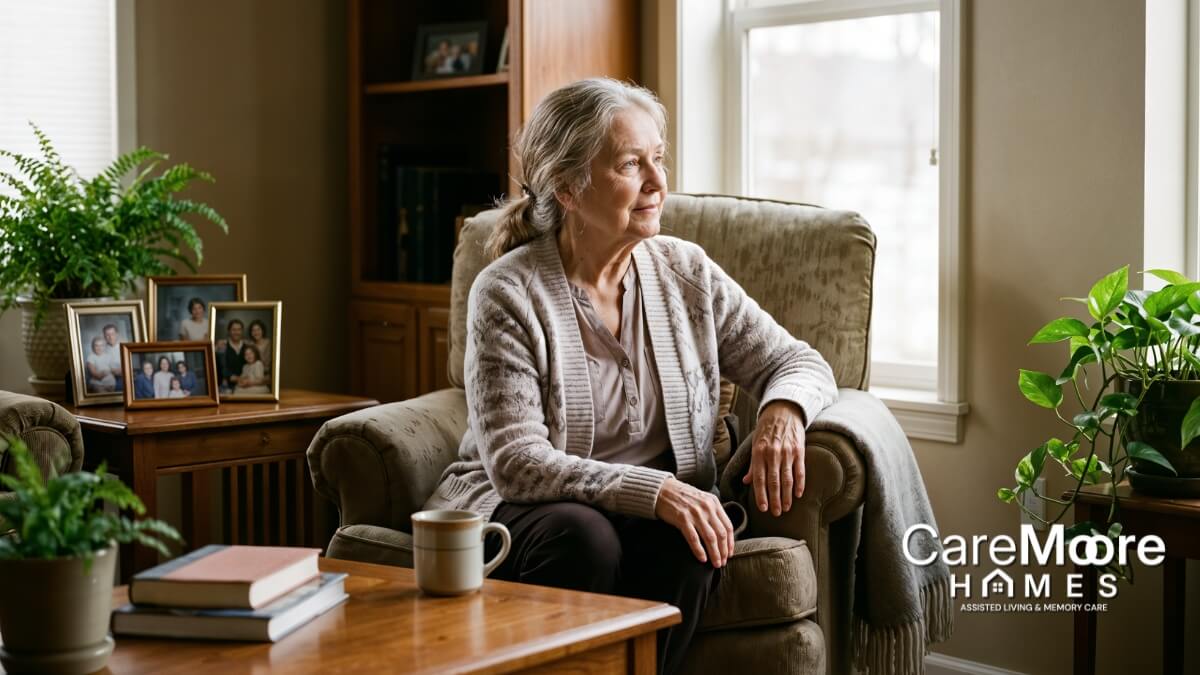
When a parent is living with Alzheimer’s disease or another form of dementia, choosing memory care can feel like one of the most emotional decisions a family will ever make. You may be balancing safety concerns, your parent’s changing needs, your own caregiving responsibilities, and a deep desire to preserve their comfort, dignity, and sense of home.
One question many Boise families ask is: Should we choose a small residential memory care home or a larger memory care facility?
There is no one-size-fits-all answer. The right setting depends on your parent’s needs, personality, routines, and the kind of environment where they are most likely to feel calm and known. Still, for many seniors living with memory loss, a small residential setting offers meaningful benefits: fewer people, more familiar surroundings, consistent rhythms, and care that can feel less clinical and more personal.
At CareMoore Homes, we provide memory care in small residential homes throughout the Boise area. Our approach is centered on respectful care, personalized routines, and the belief that a senior with memory loss deserves to live in a place that feels like home—not an institution.
What is memory care and how is it different from assisted living?
Memory care is a specialized form of senior living support for people living with Alzheimer’s disease, dementia, or other cognitive changes. While assisted living may provide help with meals, medication, bathing, dressing, mobility, and daily tasks, memory care adds structure, supervision, engagement, and safety practices designed for the unique effects of memory loss.
A memory care home supports residents who may experience:
- Confusion about time, place, or daily routines
- Wandering or exit-seeking behaviors
- Sundowning, anxiety, or agitation later in the day
- Difficulty managing medications or personal care independently
- Changes in appetite, sleep, communication, or judgment
- A growing need for reassurance and predictable support
The goal is not simply to help someone complete daily tasks. It is to create a calm, secure, engaging environment where each resident can experience comfort, connection, and dignity.
Idaho regulates residential assisted living homes under IDAPA 16.03.22. These standards are designed to support resident choice, dignity, independence, safety, and a home-like living environment.regulations.
Small residential memory care homes vs. large memory care facilities
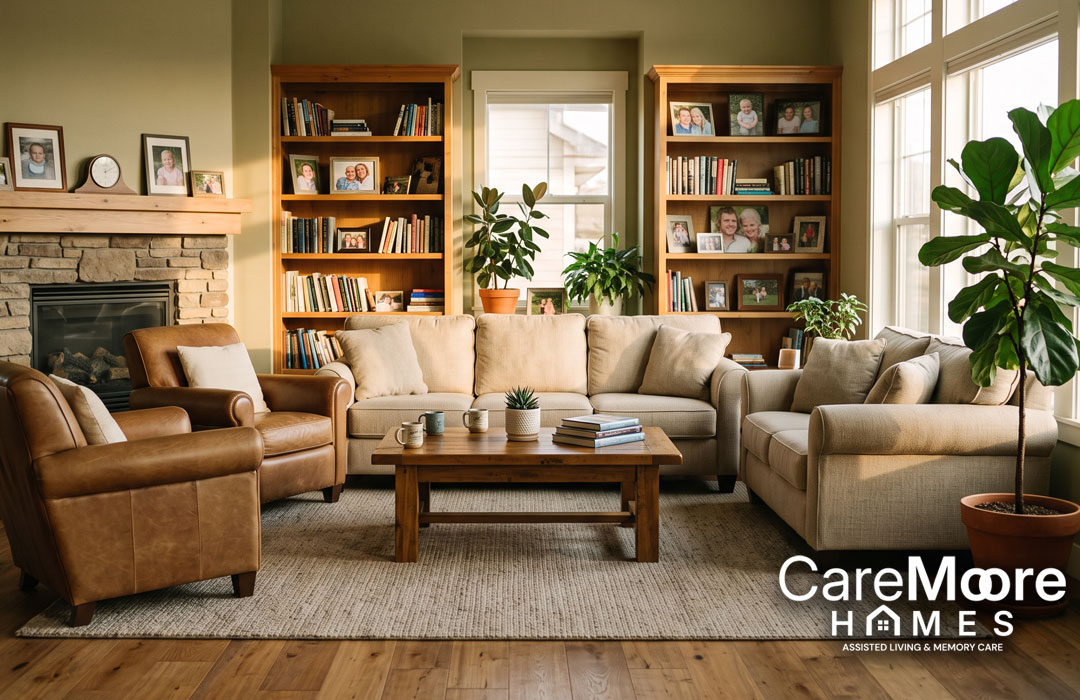
A large memory care facility may offer many programs, amenities, and a campus-style environment. A small residential memory care home offers something different: a more intimate household rhythm.
For some families, the smaller setting is a better fit because it can reduce the sensory overload and unfamiliarity that can be challenging for someone living with dementia.
|
Consideration |
Small Residential Memory Care Home |
Large Memory Care Facility |
| Environment | Often resembles a private home with familiar rooms and a quieter pace | Often resembles a larger campus or community with more wings, hallways, and residents |
| Daily rhythm | Smaller groups can support individualized routines | Schedules may be designed around larger groups |
| Familiarity | Residents may see the same caregivers and neighbors more consistently | More staff, residents, activities, and transitions may occur throughout the day |
| Sensory experience | Less noise, fewer crowds, and fewer competing activities | Can be stimulating, busy, and more difficult to navigate |
| Family experience | Often feels more personal and conversational | May offer more amenities but can feel less intimate |
| Care coordination | Easier to notice subtle daily changes in a smaller household setting | Communication systems may be more formal and department-based |
Neither setting is automatically better for every person. The important question is whether the environment matches your parent’s abilities, temperament, and care needs.
Why does a home-like setting matter for seniors with memory loss?
For a person living with dementia, the environment can shape how safe, settled, and comfortable they feel each day. A home-like setting can provide visual familiarity, predictable pathways, calmer sounds, and opportunities for meaningful participation in daily life.
In a small residential home, your parent may spend time in a living room instead of a busy lobby, share meals around a familiar dining table, enjoy quieter conversations, and take part in activities without the pressure of a large group.
Familiar routines can reduce uncertainty
Dementia often makes change difficult. Even ordinary transitions—moving from one room to another, meeting unfamiliar people, or adapting to a new schedule—can be stressful.
Small residential homes can support consistency through:
- Familiar meal times
- Gentle morning and evening routines
- Repeated caregiver cues
- Personalized activity choices
- Known seating areas and daily spaces
- A calmer, more predictable household atmosphere
This kind of steady rhythm is especially important for residents who experience confusion, anxiety, or agitation when their surroundings feel too busy or unfamiliar.
Smaller groups can feel less overwhelming
A large gathering, loud activity room, or crowded dining area may be enjoyable for some seniors. For others, especially those further along in their dementia journey, too much stimulation can contribute to withdrawal, agitation, or fatigue.
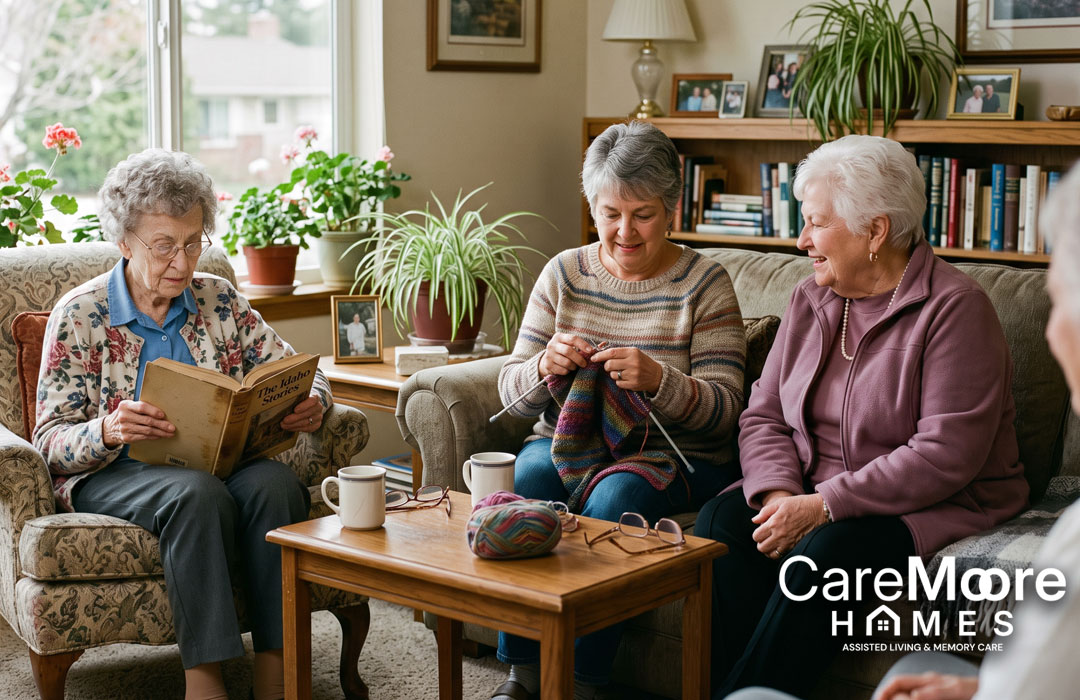
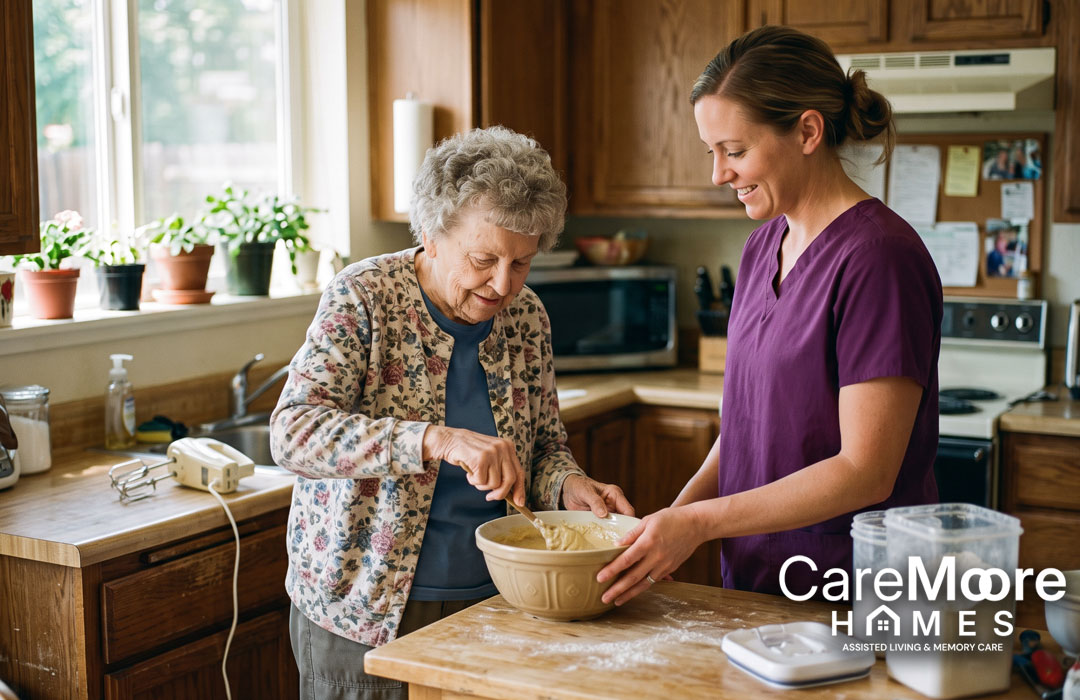
Smaller residential memory care homes make room for quieter connection. A resident can enjoy music, conversation, a simple craft, baking, gardening, or time outside without having to navigate a large crowd.
What are the benefits of small home memory care for Alzheimer’s patients?
The benefits of small home memory care for Alzheimer’s patients often come down to personal attention, familiarity, and a more manageable daily environment.
More personalized dementia care plans
Every person’s dementia journey is different. One resident may be most alert in the morning and need a quieter afternoon. Another may find comfort in familiar music, helping fold towels, sitting outside, or talking about a lifelong career or hobby.
Personalized dementia care plans in residential settings can reflect:
- Preferred wake-up and bedtime routines
- Favorite foods and dining preferences
- Communication style and reassurance needs
- Mobility and personal care needs
- Meaningful activities and interests
- Family input, life history, and cultural traditions
- Behavioral patterns, including times of anxiety or restlessness
At CareMoore Homes, care is built around knowing the resident as a person—not simply responding to a diagnosis.
Higher visibility into daily changes
In a smaller household, caregivers can more easily notice subtle changes. A resident who skips a favorite breakfast, seems more withdrawn than usual, has disrupted sleep, or becomes less steady on their feet may need closer attention and support.
That day-to-day awareness matters because dementia care is not static. Care plans should evolve as a resident’s needs, abilities, preferences, and stage of memory loss change.
A secure environment without an institutional feel
Families understandably want a secure environment for seniors with Alzheimer’s disease, particularly if a parent is wandering, leaving appliances on, becoming disoriented outside the home, or struggling to recognize hazards.
Security does not have to mean a cold or clinical environment. A thoughtfully designed residential memory care home can support safety while still preserving warmth, access to comfortable living spaces, and everyday dignity.
How do memory care homes manage sundowning and wandering?
Sundowning refers to increased confusion, restlessness, anxiety, or agitation that may occur later in the day. Wandering may occur when a person is searching for something familiar, trying to fulfill an old routine, feeling anxious, or becoming disoriented.
Effective memory care support begins with understanding the person—not treating every behavior as a problem.
Supporting sundowning with comfort and routine
Memory care homes may help manage sundowning by:
- Keeping routines predictable
- Reducing evening noise and clutter
- Using calm lighting and familiar cues
- Offering reassuring conversation and redirection
- Planning meaningful daytime activity and gentle movement
- Supporting hydration, meals, and comfort needs
- Creating a quieter transition into the evening
A calm home environment can be especially valuable in the late afternoon and evening, when a busy or unfamiliar setting may feel more difficult to process.
Supporting safe movement
A resident may walk because they are restless, trying to find a familiar place, or simply seeking movement. Caregivers can encourage safe movement while maintaining a secure setting and providing gentle redirection when needed.
During a tour, ask how a home approaches wandering, outdoor access, supervision, transition times, and individualized behavior support.
How do I choose a memory care home in Boise Idaho?
Choosing a memory care home in Boise Idaho is about more than reviewing a brochure or comparing monthly rates. It is about seeing whether your parent will be genuinely known, respected, and supported there.
Use this checklist when you tour.
Questions to ask when touring a memory care home
- How do you create personalized dementia care plans?
- What does a typical daily routine and activities in a memory care home look like?
- How do caregivers support residents with sundowning, anxiety, or wandering?
- How do you communicate changes in my parent’s condition with family members?
- What is included in the monthly cost, and what services may cost extra?
- How are meals adapted for residents with dementia or changing nutritional needs?
- How do you help a new resident adjust after moving in?
- What training and experience do caregivers have in dementia support?
- How do you encourage family involvement in memory care residential homes?
- Can I visit during different times of day to understand the home’s rhythm?

What should you notice during the visit?
Trust what you observe.
Look for:
- A calm, welcoming atmosphere
- Residents who appear engaged, comfortable, and respected
- Caregivers who speak warmly and directly to residents
- Comfortable living rooms and familiar household spaces
- Clear safety practices without a harsh institutional feel
- Meaningful activities that match residents’ abilities
- A clean, comfortable home that feels lived in rather than staged
- Open communication from the team
The best memory care home is one where you can imagine your parent’s real life—not just their care plan.
What is included in memory care cost in Idaho?
Memory care cost in Idaho can vary based on the home’s location, level of care, room type, staffing model, services, and a resident’s individual needs. Families should request a clear written breakdown before making a decision.
Commonly included services may include:
- Room and meals
- Assistance with activities of daily living
- Medication support
- Housekeeping and laundry
- Supervision and safety support
- Memory-focused activities
- Personalized care planning
- Help with mobility and personal care
- Family communication and care coordination
Ask specifically about additional charges for higher levels of assistance, incontinence support, medication management, transportation, supplies, and one-on-one support. Clear pricing helps families plan with confidence.
Frequently Asked Questions
What is memory care and how is it different from assisted living?
Memory care provides specialized support for seniors living with Alzheimer’s disease, dementia, or cognitive decline. It includes the personal care offered in assisted living while adding structured routines, dementia-informed engagement, increased supervision, and safety practices designed for memory loss.
What are the benefits of small home memory care for Alzheimer’s patients?
Small residential memory care homes can offer a quieter, more familiar environment with individualized routines and closer day-to-day attention. For many seniors, fewer people and less stimulation can support comfort, connection, and emotional security.
How do I choose a memory care home in Boise Idaho?
Tour more than one option, ask how care plans are personalized, and observe how caregivers interact with residents. Look for a home that is safe, calm, transparent about costs, welcoming to family, and genuinely suited to your parent’s daily needs.
How do memory care homes manage sundowning and wandering?
Memory care homes use predictable routines, calm environments, reassuring communication, meaningful activity, and secure design to support residents who become restless or disoriented. The most effective approach is individualized and based on the resident’s patterns, needs, and preferences.
What should I ask when touring a memory care home?
Ask about caregiver training, staffing approach, daily routines, safety practices, family communication, meals, activities, care-plan updates, and all monthly costs. Also pay attention to whether the home feels calm, respectful, and genuinely welcoming.
A more personal next step
Choosing memory care does not mean you are giving up on your parent. It means you are building a safer, more supported chapter of care—one where your loved one can be known, comforted, and surrounded by daily connection.
CareMoore Homes offers small residential assisted living and memory care homes throughout the Boise area, designed to feel personal, peaceful, and familiar. Learn more at CareMoore Homes or explore the family resource library.
Call (208) 520-1111 to schedule a personal tour and family consultation. For local reviews and directions, visit CareMoore Homes on Google Business Profile.