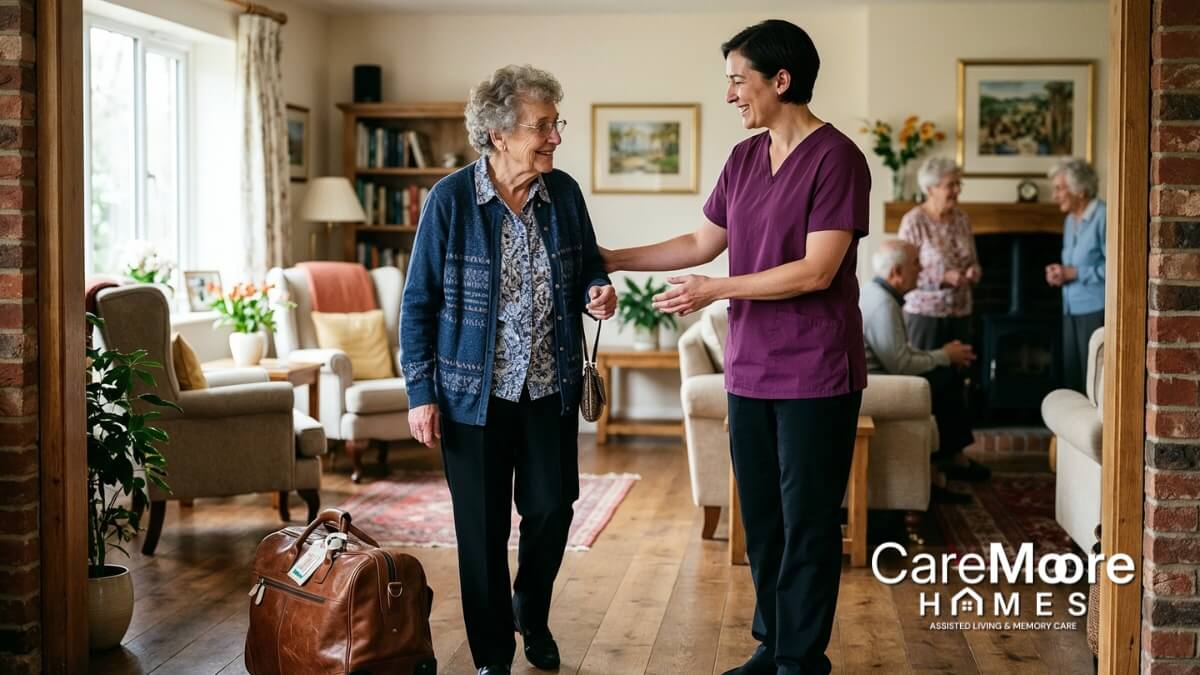

“June Is Alzheimer’s & Brain Awareness Month: What Families in Boise & Meridian Need to Know About Memory Care”
Introduction – Why June Matters for Your Family
June is Alzheimer’s and Brain Awareness Month, a nationwide time to highlight brain health, dementia, and the support systems families need as memory changes become more noticeable. For families in Boise and Meridian, this is a natural moment to pause, look honestly at how Mom or Dad is doing, and ask whether more structured memory care might help.
At CareMoore Homes, memory care is more than a secure building or a locked door. It’s about creating small, calm, home-like environments where your loved one is known by name, routine, and personality—not just by a diagnosis. In this guide, we’ll walk through what Alzheimer’s and Brain Awareness Month means, how to tell when it’s time to consider memory care, and what a high-quality memory care home in the Treasure Valley actually offers.
What Is Alzheimer’s & Brain Awareness Month?
A Month to Recognize Brain Health
Every June, health organizations across the United States spotlight brain health, Alzheimer’s disease, and other forms of dementia. The goal is to help families recognize early warning signs, reduce stigma, and connect people with resources before a crisis happens.
For adult children, this month can be a gentle nudge to notice patterns you may have been quietly worried about—repeated questions, confusion with bills or medications, or noticeable personality changes. It’s a reminder that you don’t have to wait until an emergency fall or wandering incident before exploring options like memory care.

Key June Observances That Affect Seniors
June also includes several observances that touch seniors and their caregivers, including Certified Nursing Assistant (CNA) Week and World Elder Abuse Awareness Day. Both highlight the importance of respectful, person-centered care and of protecting vulnerable older adults from neglect or harm.
High-quality memory care settings rely on trained CNAs and care staff who understand dementia, de-escalation, and how to preserve dignity during very intimate tasks like bathing, toileting, and dressing. For many families, honoring this work means choosing a community where staffing ratios and dementia training truly support your loved one.
Signs Your Loved One May Need Memory Care
Daily Living Is No Longer Safe or Predictable
Most families first start to consider memory care when day-to-day life no longer feels safe for their loved one. Common red flags include:
- Leaving the stove or oven on
- Wandering outside or getting lost on familiar routes
- Unopened mail, unpaid bills, or utilities at risk of shutoff
- Repeated medication mistakes or skipped doses
- Unsafe driving, minor accidents, or unexplained dents in the car
If you recognize two or more of these issues happening regularly, it may be time to ask whether home support is still enough—or whether a structured memory care home could provide a safer, more predictable environment.
Emotional and Behavioral Changes Are Wearing Everyone Down
Dementia is not just about memory loss; it often brings intense emotional changes that are hard on the whole family. You may notice:
- Sudden anger or aggression that is out of character
- Paranoia, accusations of stealing, or suspicion of loved ones
- Anxiety, pacing, or agitation, especially in the late afternoon (“sundowning”)
- Withdrawal from favorite hobbies or social events
These behaviors are symptoms, not character flaws. But when they become frequent, they can push even the most devoted family caregiver toward burnout. Memory care teams are trained to recognize triggers, redirect gently, and create calm through routine, environment, and activity.

What Specialized Memory Care Provides (Beyond Basic Assisted Living)
Secure, Calm, Residential-Scale Homes
Unlike large, traditional assisted living buildings, residential-style memory care homes in the Boise area offer smaller, more intimate settings where residents can move freely yet remain safe. At CareMoore-style homes, private rooms and warm community spaces help residents feel like they are in a home, not an institution.
These smaller environments reduce overstimulation, shorten walking distances, and make it much easier for staff to notice if someone is anxious, confused, or needs extra reassurance. That’s especially important for individuals prone to wandering or getting turned around.
Dementia-Trained Staff and Strong Ratios
Quality memory care communities emphasize dementia-specific training and close staff-to-resident ratios. Staff learn how to:
- Communicate clearly and calmly with people who have memory loss
- Use nonverbal cues, touch, and eye contact appropriately
- Support bathing, dressing, and toileting with dignity
- Recognize pain or medical issues when the resident cannot describe them
Some Treasure Valley homes, including communities similar to CareMoore Homes at Hobble Creek, provide personal care with a close caregiver-to-resident ratio, giving more time for one-on-one connection and personalized support.
June in Idaho – Making the Most of Summer with Memory Care
Safe Summer Outings and Events
June opens the door to beautiful Idaho summers—more daylight, warmer evenings, and community events. In the Boise area, June weekends often include festivals, markets, and live music, such as large gatherings at Expo Idaho. While these can be wonderful, they can also overwhelm someone with dementia.
A good memory care home balances participation and protection. That might look like:
- Short, guided trips to nearby parks or quiet farmers’ markets
- Music or “festival-inspired” activities brought into the community
- Protected outdoor spaces—patios or gardens—where residents can enjoy fresh air without risk of wandering
Outdoor Safety for Loved Ones with Dementia
If you’re still caring for a parent at home this June, keep the following in mind:
- Hydration: Older adults may not recognize thirst, increasing dehydration risk.
- Sun safety: Confusion can make it hard to seek shade or reapply sunscreen.
- Wandering: Pleasant weather can lead to more spontaneous walks and potential getting lost.
When you find yourself constantly “on alert,” concerned that a walk around the block could become a missing-person situation, that’s another signal that a secure memory care environment might be the safest next step for your loved one.
Questions to Ask When Touring Memory Care in Boise & Meridian
Care Philosophy and Daily Routines
As you tour communities, consider asking:
- “How do you get to know each resident’s routines, preferences, and life story?”
- “What does a typical day look like here for someone at my mom’s stage of dementia?”
- “How do you handle behaviors like sundowning, agitation, or refusing care?”
A person-centered community will emphasize flexibility, relationship-building, and calm redirection—rather than simply medication or strict schedules.
Staffing, Training, and Communication with Families
You deserve transparency around staffing and communication. Ask:
- “What is your typical staff-to-resident ratio on days, evenings, and nights?”
- “What dementia-specific training do your caregivers receive and how often?”
- “How will you keep me updated—phone calls, texts, care meetings?”
Communities like CareMoore Homes highlight trained staff, residential settings, and close collaboration with families so that everyone stays on the same page about changing needs.

How to Start the Conversation with Your Loved One
Leading with Safety and Respect
Talking about memory care can feel heavy, but it doesn’t have to be a one-time, high-pressure conversation. Many families find it easier to build a bridge over a few shorter talks, focusing on safety and support rather than “moving out.”
You might say:
- “I’ve noticed it’s getting harder to keep track of things. I want to make sure you’re safe and supported every day.”
- “There are homes here in Boise and Meridian that feel like a house, not a hospital, and they specialize in helping people with memory changes.”
Involving Siblings and Other Key Family Members
It’s wise to involve siblings or other close relatives early, so decision-making pressure doesn’t fall on one person. Share specific examples—missed medications, getting lost, repeated falls—rather than vague generalities.
If your family is divided, consider touring a community together and inviting staff to answer questions. Sometimes hearing from a nurse or care coordinator helps reduce guilt and clarify what your loved one truly needs at this stage.
Conclusion & Call to Action – Taking the Next Gentle Step
Alzheimer’s and Brain Awareness Month is your opportunity to step back and ask: “Is the way we’re doing things still safe, sustainable, and dignified for Mom or Dad?” For many Boise and Meridian families, the honest answer eventually becomes “not anymore”—and that’s where memory care can offer relief, safety, and peace of mind.
If you’re ready to explore specialized memory care in a small, home-like setting, you can learn more about CareMoore Homes and our Boise and Meridian locations here: https://caremoorehomes.com/ You can also call directly at the phone number listed on our homepage to schedule a tour or care consultation. For directions and reviews, search for “CareMoore Homes Memory Care Boise” on Google to access our Google Business Profile.